How Private Clinics in India Cut Patient No-Shows by 65% Using WhatsApp AI
How Private Clinics in India Cut Patient No-Shows by 65% Using WhatsApp AI
For private clinics and diagnostic centers across India, the administrative burden of managing patient appointments is often the single biggest barrier to profitability and operational efficiency. In a healthcare landscape where high patient volumes are the norm, a 20% to 30% no-show rate isn’t just a logistical nuisance—it is a significant drain on revenue and resource allocation. However, a digital revolution is currently underway. By integrating conversational WhatsApp AI, leading private clinics are reporting a staggering 65% reduction in patient no-shows. This playbook explores how this technology is transforming the patient experience while securing the financial health of private practices.
The Hidden Cost of No-Shows in Indian Healthcare
In the bustling urban clinics of cities like Mumbai, Delhi, and Bangalore, the "booking-to-arrival" gap is a persistent issue. When a patient books an appointment but fails to show up without notice, several negative outcomes occur simultaneously:
- Wasted Clinical Capacity: A doctor or technician sits idle, creating a ripple effect that delays the entire day’s schedule.
- Revenue Leakage: Unfilled slots represent lost consultation fees and diagnostic revenue that cannot be recovered.
- Increased Operational Costs: Front-desk staff spend hours manually calling patients to confirm appointments, detracting from in-person patient care.
- Frustrated Waiting Lists: Other patients who genuinely needed that time slot remain on a waiting list, negatively impacting overall community health outcomes.
Traditional methods of curbing these issues—such as SMS reminders or manual phone calls—have proven insufficient. SMS messages are often ignored or treated as spam, while phone calls are intrusive and resource-heavy. Enter WhatsApp AI: a communication channel that every smartphone-toting patient in India already uses daily.
Why WhatsApp AI is the Gold Standard for Patient Communication
WhatsApp is no longer just a messaging app; in India, it is the primary digital interface for almost every demographic. With over 500 million active users in the country, the platform provides an unparalleled level of accessibility. By integrating an AI-powered bot directly into a clinic’s official business API, providers can move from passive reminders to active, conversational engagement.
Unlike standard SMS, WhatsApp AI enables two-way communication. When a bot sends a reminder, it doesn’t just say "You have an appointment." It offers a menu of interactive options, such as "Confirm," "Reschedule," or "Cancel." This immediacy encourages the patient to take action, turning a passive reminder into a concrete booking management tool.
How the System Works: The Automation Workflow
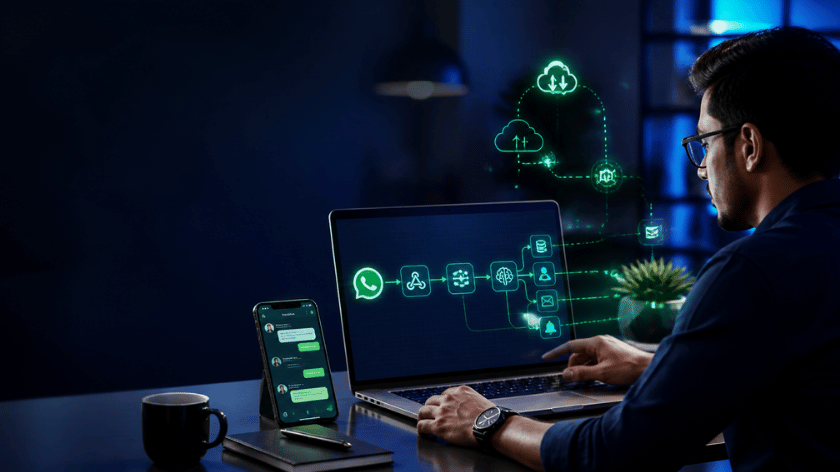
The transformation begins with the integration of a clinic's Practice Management System (PMS) or Electronic Health Record (EHR) with the WhatsApp Business API. Here is the typical workflow that leads to a 65% drop in no-shows:
1. Automated Triggered Reminders
As soon as an appointment is booked, the system automatically triggers a personalized confirmation message on WhatsApp. This message includes the doctor’s name, the clinic address (with a Google Maps link), and the specific pre-appointment instructions (e.g., fasting for a blood test).
2. The "Nudge" Window
The system sends a second, highly personalized notification 24 hours before the appointment. By using AI-driven scheduling, the bot sends this message at the time when the patient is most likely to check their phone, increasing engagement rates significantly.
3. Real-Time Interactive Confirmation
The patient is prompted to click a button to confirm. If they click "Confirm," the status is updated in the clinic’s central dashboard in real-time. If they click "Reschedule," the bot immediately offers available time slots, allowing the patient to rebook without ever speaking to a receptionist.
4. Intelligent Handling of Cancellations
If a patient cancels, the AI can immediately trigger a broadcast to the waiting list. This "smart backfilling" ensures that vacated slots are filled within minutes, optimizing the clinic’s utilization rate throughout the business day.
Comparison: Traditional vs. AI-Driven Patient Management
| Feature | Traditional (Phone/SMS) | WhatsApp AI |
|---|---|---|
| Interaction Level | Passive / One-way | Active / Two-way |
| Open Rate | Low (SMS is often ignored) | Very High (WhatsApp is checked daily) |
| Resource Load | High (Manual calling) | Zero (Fully Automated) |
| Rescheduling | Complex/Slow | Instant/Self-service |
| Impact on No-Shows | Minimal | Up to 65% Reduction |
Building Trust through Personalization
The success of WhatsApp AI isn't just in the automation; it’s in the personalization. Indian patients value a connection with their healthcare provider. Modern AI bots are programmed to use the patient's language—whether it’s English, Hindi, or a regional vernacular—which lowers the psychological barrier to engagement.
By providing clear instructions, such as "Please remember to carry your previous reports" or "Avoid caffeine before the test," the clinic positions itself as an attentive partner in the patient’s wellness journey. This level of communication builds loyalty. When a patient feels prepared and informed, they are statistically much more likely to show up for their appointment.
Overcoming Implementation Challenges
While the benefits are clear, some clinic owners fear the technical complexity of AI implementation. However, the current landscape of SaaS-based healthcare tools has made this easier than ever. Most clinics can deploy a WhatsApp bot solution without needing an in-house IT team. Key considerations for a successful rollout include:
- Data Privacy: Ensure the solution is HIPAA-compliant or adheres to local Indian data protection laws, such as the DPDP Act. Always encrypt patient data.
- Integration Consistency: The WhatsApp bot must sync perfectly with existing appointment software to prevent double-booking or scheduling errors.
- Human Handoff: AI should handle 90% of routine queries, but there must be a seamless "human handoff" feature. If a patient asks a complex medical question, the bot should instantly alert a human staff member to take over the chat.
The Future of Clinics in India
As the digital maturity of the Indian patient base continues to grow, the adoption of WhatsApp AI will move from a competitive advantage to a baseline expectation. Private clinics that fail to automate their front-office operations risk falling behind, both in terms of operational efficiency and patient satisfaction scores. A 65% reduction in no-shows is more than just a metric; it represents thousands of additional patients treated, reduced overheads, and a clinic that can scale effectively.
For clinic owners, the message is clear: Stop chasing patients via cold calls. Start meeting them on the platform where they already spend their time. By implementing a conversational, AI-driven booking system, you aren't just cutting no-shows—you are building a modern, patient-centric practice that is equipped for the digital future.
Conclusion
The shift toward WhatsApp AI in Indian private clinics represents a vital upgrade in how we manage healthcare capacity. By reducing no-shows through automated, interactive communication, clinics can reclaim lost revenue and provide a smoother, more transparent experience for patients. As the industry continues to evolve, those who embrace these digital tools will be the ones who define the future of primary care and diagnostics in India.
Related Articles & Guides
View all articles → Technical/Integrations
Why Branded Subdomains Convert 3x Higher Than Generic Chat Links
Build buyer trust and lift conversion rates by 300% using dedicated branded subdomains for customer conversational intake.
 Technical/Integrations
Complete Guide to Setting Up WhatsApp Automation via n8n
Step-by-step tutorial to connect WhatsApp Business API with n8n for real-time lead distribution and instant database synchronization.
 ROI & Cost Savings
The 70% Support Cost Reduction: How AI Replaces Tier-1 Desks
Cut customer support payroll by up to 70% by automating repetitive FAQs, order status inquiries, and CRM ticket routing.